🟢 How CIF Shipping Works for Heavy Equipment in the GCC

🟢 How CIF Shipping Works for Heavy Equipment in the GCC

how cif shipping works for heavy equipment in the gcc
CIF Shipping Heavy Equipment GCC | Import Process & Port Guide
Learn how CIF shipping for heavy equipment works in the GCC. Step-by-step import process, customs duties, ports & logistics best practices.

How CIF Shipping Works for Heavy Equipment in the GCC

CIF Shipping for Heavy Equipment in the GCC — Complete Import Guide

Moving a 40-ton machine across continents requires precision, compliance, and trusted logistics partners.
This page explains how CIF (Cost, Insurance, and Freight) terms protect buyers and streamline import of bulldozers, excavators, and articulated dump trucks into UAE, Saudi Arabia, Oman, Qatar, Bahrain, and Kuwait.


Understanding CIF: The Buyer’s Advantage

Under CIF Incoterms 2020, the seller arranges and pays for shipping and insurance to the destination port, while the buyer handles customs and inland transport.
Key benefits for GCC importers:

  • Predictable landed costs before shipment
  • Insurance coverage against transit damage
  • Simplified documentation handled by exporter
  • Fast customs clearance using unified port systems

Reference: International Chamber of Commerce – Incoterms 2020

How CIF Shipping Works for Heavy Equipment in the GCC

Major GCC Ports Handling Heavy Equipment

CountryPortAverage Handling TimeSpecial Facilities
UAEJebel Ali Port24–48 hRo-Ro ramps, DP World logistics
Saudi ArabiaDammam Port36–72 hZATCA e-clearance
OmanDuqm SEZ Port48 hHeavy-lift cranes, bonded zones
QatarHamad Port24 hCustoms single-window
BahrainKhalifa Bin Salman Port24 hFast truck transfer
KuwaitShuwaikh Port48 hEquipment yards nearby

Sources: DP World, ZATCA Customs KSA, Oman Customs

How CIF Shipping Works for Heavy Equipment in the GCC

Step-by-Step CIF Import Process

  1. Pro-forma Invoice & Quote – The exporter issues a CIF quotation detailing freight and insurance.
  2. Contract & Payment – Usually via L/C or T/T under ICC rules.
  3. Pre-shipment Inspection – Conducted by SGS or Bureau Veritas to verify condition.
  4. Bill of Lading (B/L) – Specifies vessel, ports, and Incoterm CIF.
  5. Insurance Certificate – Covers total invoice value + 10 %.
  6. Customs Declaration – Filed through national single-window systems.
  7. Port Handling & Delivery – Buyer pays import VAT (e.g., 5 % UAE) and arranges inland transport.

Typical CIF Cost Components

ComponentDescriptionCost Range (USD)
Sea FreightRo-Ro vessel EU→GCC6 000 – 8 000
Marine Insurance0.2 – 0.5 % of cargo value1 000 – 1 500
Handling & DocumentationB/L + inspection + agent fees800 – 1 200
Customs Duty & VAT5 – 15 % depending on countryVariable

Reference: WTO Customs Valuation Agreement


Documentation Checklist for GCC Imports How CIF Shipping Works for Heavy Equipment in the GCC

  • Bill of Lading (B/L)
  • Commercial Invoice
  • Packing List
  • Certificate of Origin (EUR-1 or CO)
  • Insurance Certificate
  • Inspection Certificate (SGS/BV)
  • Import Permit (if required)

Every document must match the chassis number and serial ID on the machine to pass DP World port inspection.

How CIF Shipping Works for Heavy Equipment in the GCC

Compliance & Safety Standards How CIF Shipping Works for Heavy Equipment in the GCC

Heavy equipment imported into GCC countries must meet:

  • ISO 9001 / 14001 management systems (ISO.org)
  • EU Stage V emission compliance for used machines
  • GCC Standardization Organization (GSO) mechanical safety codes
  • FAO Sustainable Infrastructure Guidelines for reduced emissions (FAO.org)

Reducing Shipping Risks How CIF Shipping Works for Heavy Equipment in the GCC

  • Choose Ro-Ro or flat-rack over containerized transport for large units.
  • Confirm insurance includes General Average Clause (York-Antwerp Rules 2016).
  • Request live vessel tracking via DP World portal.
  • Schedule delivery to avoid Ramadan & Eid port congestion.

Cost-Saving Tips How CIF Shipping Works for Heavy Equipment in the GCC

  1. Consolidate shipments – Combine two or more units in one vessel booking.
  2. Use Free Zones – Temporary storage without duty (Jebel Ali Free Zone, Duqm SEZ).
  3. Negotiate demurrage clauses – Free time at destination port.
  4. Monitor bunker surcharges – Fuel costs can raise freight rates quarterly.

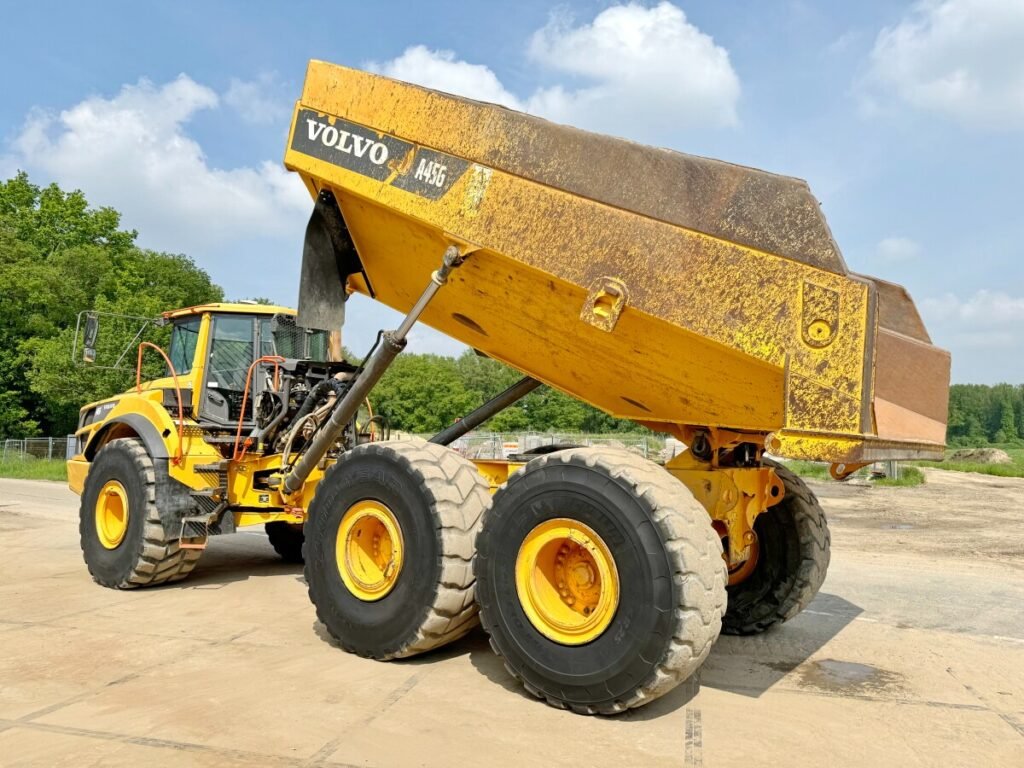
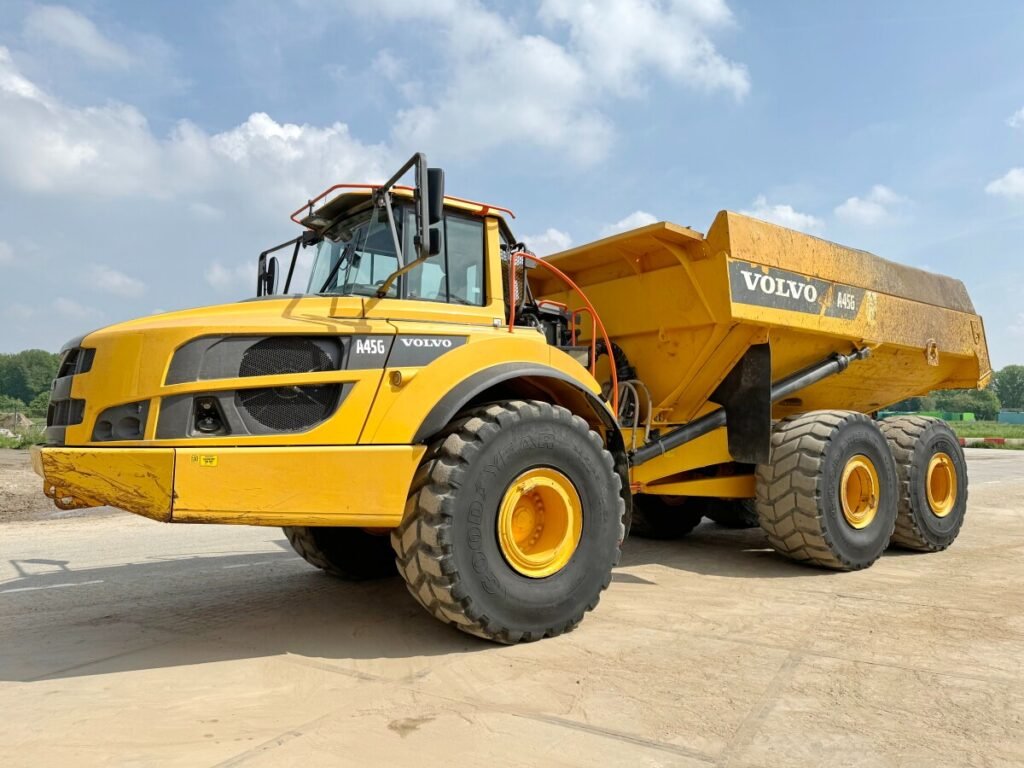
Example: Importing a Volvo A45G to Jebel Ali Port

  • Purchase Price: USD 260 000 (Used CE Certified)
  • Freight + Insurance: USD 7 500
  • CIF Value: USD 267 500
  • VAT 5 %: USD 13 375
  • Customs + Handling: USD 1 200
    Delivered Cost: ≈ USD 282 000

This method provides predictable landed cost with warranty and insurance coverage.


How CIF Shipping Works for Heavy Equipment in the GCC


How CIF Shipping Works for Heavy Equipment in the GCC


How CIF Shipping Works for Heavy Equipment in the GCC

For personalized CIF quotes and inspection support, contact the BuyHeavyMachines logistics team through our form
We’ll calculate your total landed cost and coordinate insurance and port delivery within 24 hours.


Go back

Your message has been sent

Warning
Warning
Warning
Warning.

FAQ – CIF Shipping in the GCC

Q1. Who pays freight and insurance under CIF?
The exporter pays freight and insurance up to the named GCC port.

Q2. Which GCC ports handle heavy machinery?
Mainly Jebel Ali (UAE), Dammam (KSA), Duqm (Oman), and Hamad (Qatar).

Q3. Can CIF be converted to FOB?
Yes – if the buyer prefers to control insurance and shipping directly.