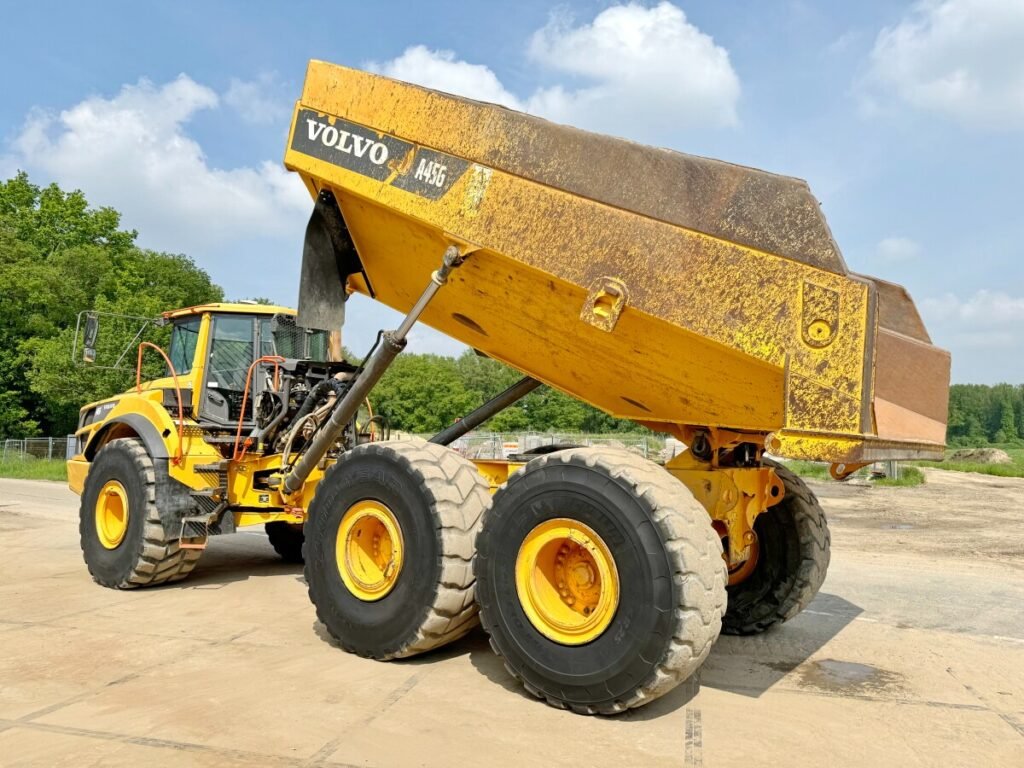
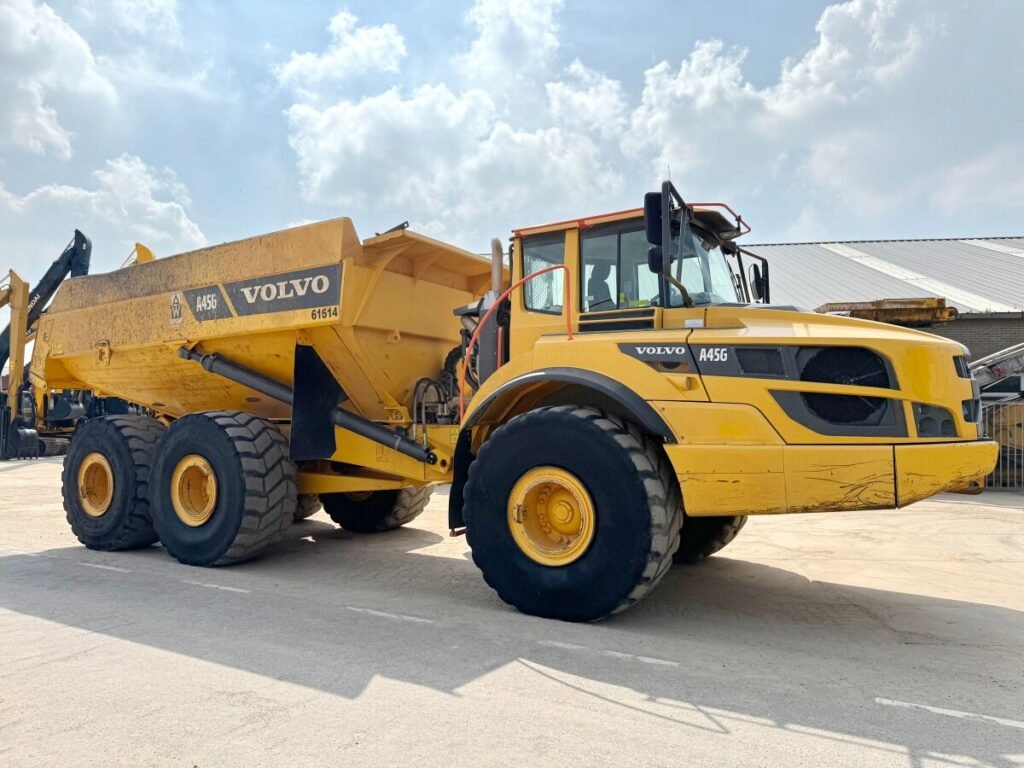
🟢 Operator Safety and Training Best Practices for Heavy Equipment in the GCC

🟢 Operator Safety and Training Best Practices for Heavy Equipment in the GCC

operator safety training heavy equipment gcc
Operator Safety & Training Heavy Equipment GCC | ISO 45001 Guide
Learn ISO 45001-based safety and training best practices for heavy-equipment operators in GCC construction and mining sectors.
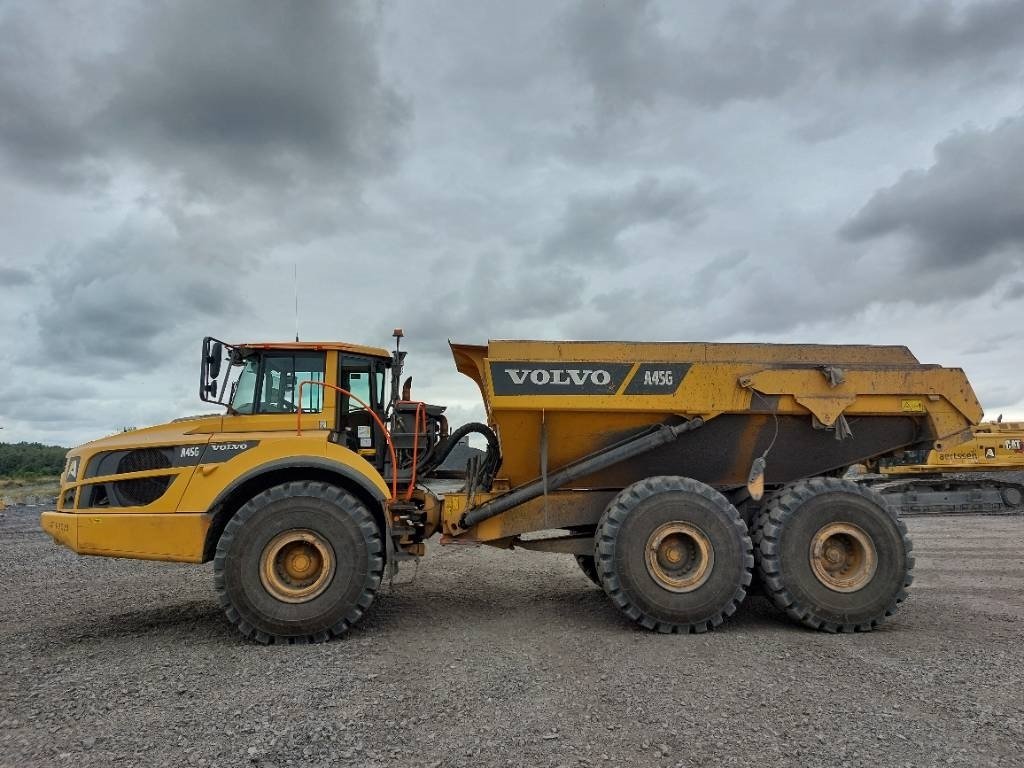

Operator Safety and Training Best Practices for Heavy Equipment in the GCC

Building a Safety Culture for GCC Heavy-Equipment Operators

Accidents on construction and mining sites across the UAE, Saudi Arabia, Oman, Qatar, Bahrain and Kuwait cost millions in downtime and insurance every year.
Most incidents arise not from mechanical failure but from inadequate operator training and poor adherence to safety standards.
This guide explains how GCC contractors can design training programs that meet ISO 45001 Occupational Health & Safety standards while improving productivity and compliance.


Why Operator Safety Matters in Extreme Climates Operator Safety and Training Best Practices for Heavy Equipment in the GCC

  • Heat stress: temperatures above 45 °C require hydration and shift rotation.
  • Dust & visibility: sandstorms reduce line-of-sight and cause respiratory hazards.
  • Multi-lingual crews: training must address Arabic, English, Hindi, Tagalog audiences.
  • Port & desert worksites: proximity to fuel depots or slopes raises risk factors.

A single rollover or hydraulic leak can halt entire operations; hence safety is both a moral and financial imperative.
Reference: International Labour Organization – Safety Standards.


Core Principles of Operator Training Programs Operator Safety and Training Best Practices for Heavy Equipment in the GCC

PrincipleDescriptionReference
Competency-based modulesHands-on evaluation for each machine type (dozer, excavator, ADT).ISO 45001 §7.2
Language-appropriate materialsVisual charts & translated manuals.GCC Labour Ministries
Emergency-response drillsFire, rollover, spill simulations quarterly.DP World Ports
Record keeping & refresher trainingDigital logbook every 12 months.ISO 9001 documentation

Operator Safety and Training Best Practices for Heavy Equipment in the GCC

Designing a Safety Training Curriculum Operator Safety and Training Best Practices for Heavy Equipment in the GCC

  1. Needs Assessment – Review past incident reports.
  2. Module Development – Basic machine controls → advanced load management.
  3. Certification – Issue operator cards recognized by site safety officers.
  4. Evaluation – Written + practical exam (≥ 80 % pass).
  5. Refresher Cycle – Annually or when new equipment is introduced.

Each module should integrate manufacturer manuals from Volvo CE or Caterpillar Safety Resources.


Personal Protective Equipment (PPE) Checklist Operator Safety and Training Best Practices for Heavy Equipment in the GCC

PPE TypeStandardNotes
Hard HatEN 397 / ANSI Z89.1Color-coded by role
High-Vis VestEN ISO 20471Reflective 360 °
Eye & Ear ProtectionEN 166 / EN 352Mandatory during crushing
Gloves & BootsISO 20345 S3Oil & puncture resistant
RespiratorN95 or FFP2For dusty zones / maintenance

Operator Safety and Training Best Practices for Heavy Equipment in the GCC

Implementing Site-Specific Safety Plans Operator Safety and Training Best Practices for Heavy Equipment in the GCC

  • Pre-shift toolbox talks (10 min daily).
  • Spotter systems for reversing or blind-spot operations.
  • Lock-out / Tag-out before hydraulic maintenance.
  • Speed limits & traffic flow maps inside quarry or port.
  • Heat-illness monitoring — buddy system + hydration schedule.

Use FAO’s Sustainable Infrastructure Safety Guide for environmental health integration.


Digital Monitoring & Telematics for Safety Operator Safety and Training Best Practices for Heavy Equipment in the GCC

Modern fleets employ telematics not only for fuel efficiency but also for operator behavior tracking:

  • Hard-braking and speeding alerts
  • Seat-belt usage sensors
  • Rollover angle warnings
  • Fatigue monitoring via camera AI

Platforms like Volvo CareTrack and Komatsu KOMTRAX allow managers to generate weekly compliance dashboards.
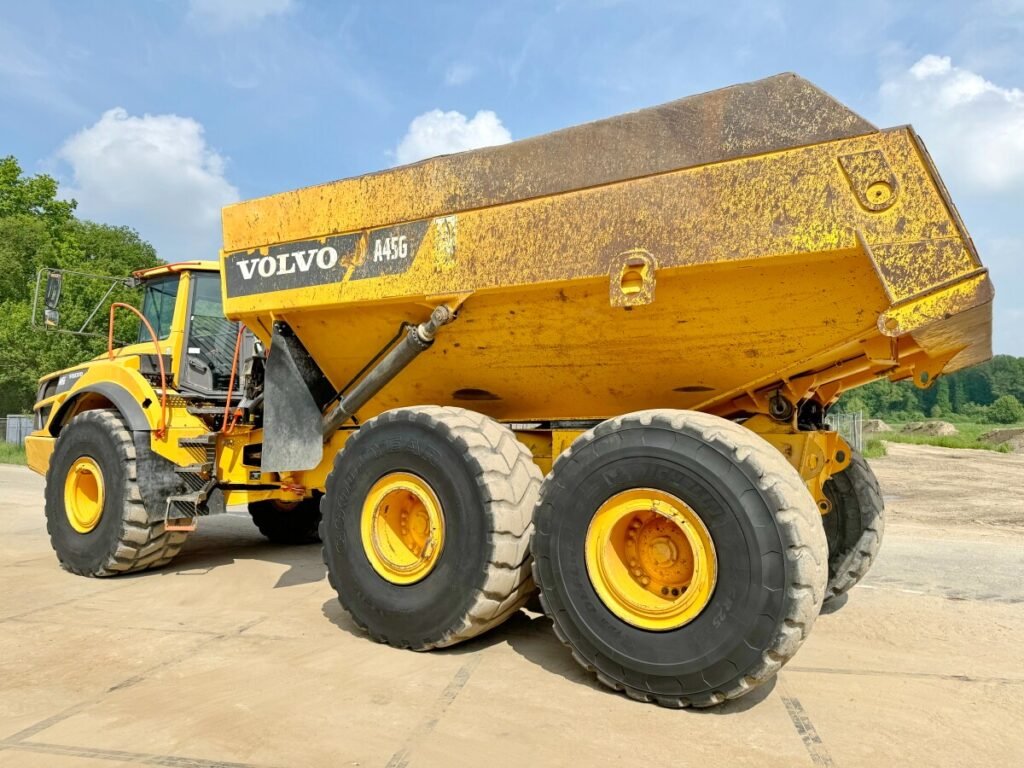

Operator Safety and Training Best Practices for Heavy Equipment in the GCC

Legal & Compliance Framework in the GCC

  • ISO 45001:2018 Occupational Health & Safety Management
  • GCC Standardization Organization (GSO) Machinery Safety Codes
  • UAE Ministry of Human Resources & Emiratization Labour Law No 33 (2021)
  • Saudi Labour Law Art. 122-128 Safety and Health Obligations
  • WTO Trade Facilitation Agreement for imported safety equipment (WTO.org)

Creating a Safety Culture

  • Empower supervisors to stop unsafe acts.
  • Reward near-miss reporting.
  • Display KPI boards (hours worked without incident).
  • Integrate safety metrics into performance bonuses.
  • Conduct third-party ISO audits annually.

Operator Safety and Training Best Practices for Heavy Equipment in the GCC


Operator Safety and Training Best Practices for Heavy Equipment in the GCC


Operator Safety and Training Best Practices for Heavy Equipment in the GCC

Want a customized operator-training plan for your GCC fleet?
📞 Contact our compliance team fill out the Safety Assessment Form to receive a free audit template within 24 hours.


Go back

Your message has been sent

Warning
Warning
Warning
Warning.

FAQ — Operator Safety Basics

Q1. How often should operators receive refresher training?
At least once a year or after any equipment upgrade.

Q2. Is ISO 45001 certification mandatory in the GCC?
Not mandatory but increasingly required for tier-one infrastructure contracts.

Q3. What languages should training materials cover?
Arabic and English minimum; Hindi and Tagalog recommended for site crews.